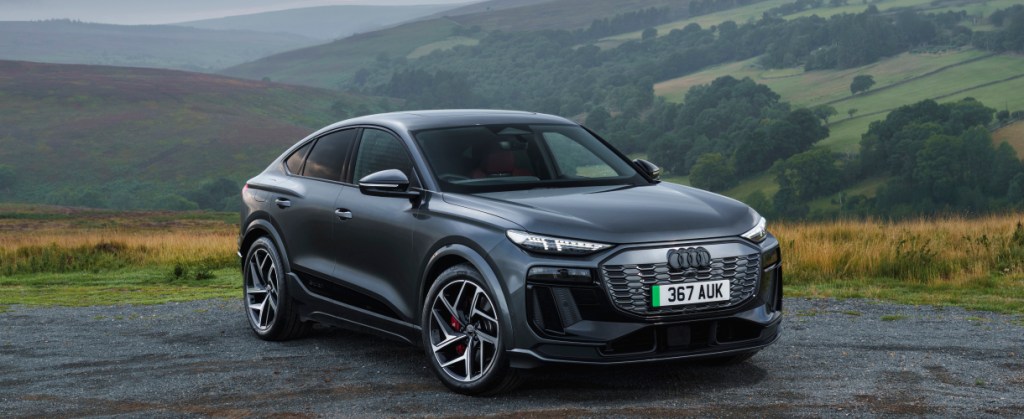
The car industry isn’t just evolving.
It’s rebooting.
By 2026, over 60% of new car launches in the UK are expected to be electric or hybrid. This shift is being driven by improving battery technology, better-connected charging infrastructure, and increasingly digital interiors that are reshaping what “modern driving” looks like.
We’re not just seeing new cars.
We’re seeing a new era of cars.
Here’s why this next wave feels so different.
Next-Generation EVs
New electric models now offer 300–400 miles of real-world range, with fast-charging times dropping below 25 minutes for an 80% charge.
That makes EVs far more viable for long-distance driving than ever before. The fear of “range anxiety” is fading as charging networks expand across the UK.
This isn’t just about convenience.
It’s about EVs finally fitting into everyday life.
Hybrid Performance Cars
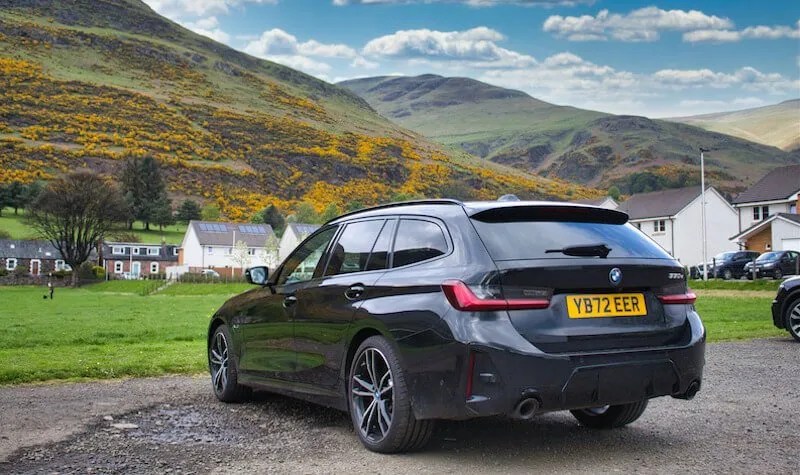
German heritage brands have tackled electrification by blending electric torque with petrol engines for faster acceleration and lower emissions.
BMW has been widely praised for combining performance, efficiency, and practicality with models like the BMW 330e, particularly in Touring form.
Meanwhile, Toyota has continued to champion hybrid technology, with the latest Toyota Prius now accelerating 4 seconds faster than the previous generation.
Hybrids have naturally become the bridge between traditional driving and an electric future.
Smarter Interiors
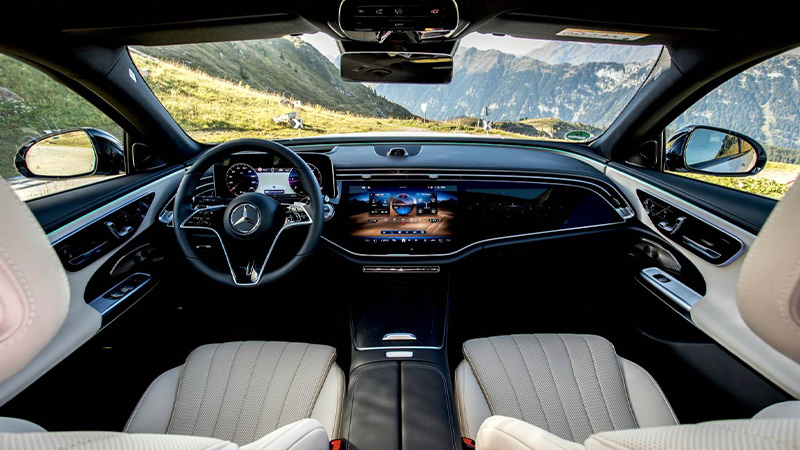
Artificial intelligence is shaping everyday life, and cars are no exception.
AI dashboards, digital cockpits, and advanced driver-assist systems are becoming standard. Features that were once considered luxury – such as ambient lighting, head-up displays, and heated seats – are now appearing in mainstream models.
Over 70% of new cars now feature advanced safety technology such as autonomous emergency braking. Audi’s Pre-Sense system is a prime example of this shift.
Cars are becoming smarter, safer, and more intuitive.
Design Shifts
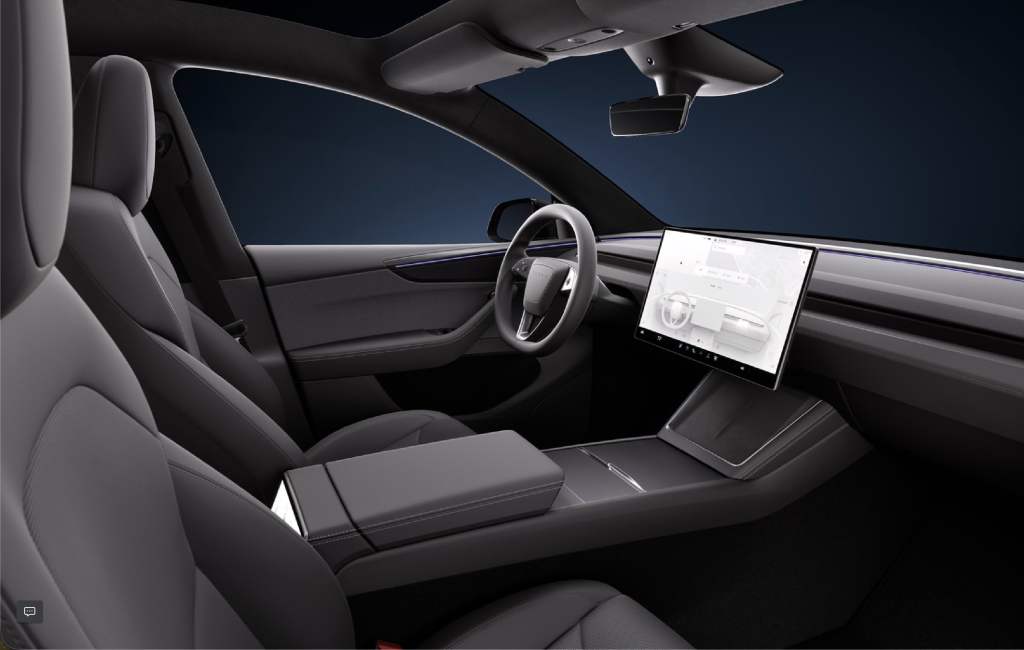
Modern cars are starting to feel like smartphones on wheels.
Minimalist interiors, fewer physical buttons, and large touchscreen displays are now the norm. Tesla has led this movement with its stripped-back interior design and oversized screens.
Whether drivers love it or hate it, simplicity and digital integration now define modern design.
2026 Models Making Waves
Here are some of the new and upcoming models shaping the future of UK roads.
Audi Q6 e-tron
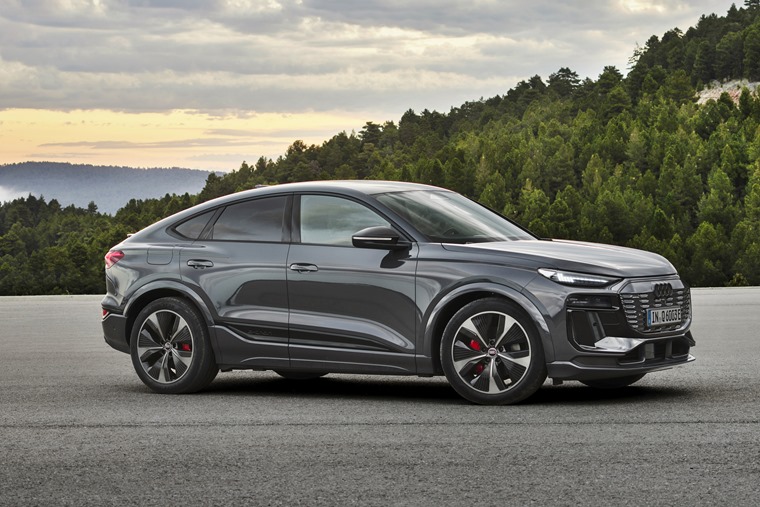
Audi’s next-generation electric SUV is built on the new PPE platform, shared with Porsche.
It features a premium interior, long-range capability, and rapid charging that can add 150 miles of range in just 10 minutes.
The SQ6 version delivers serious performance, hitting 0–60 mph in 4.1 seconds.
BMW Neue Klasse EV (Starting With The New iX3)
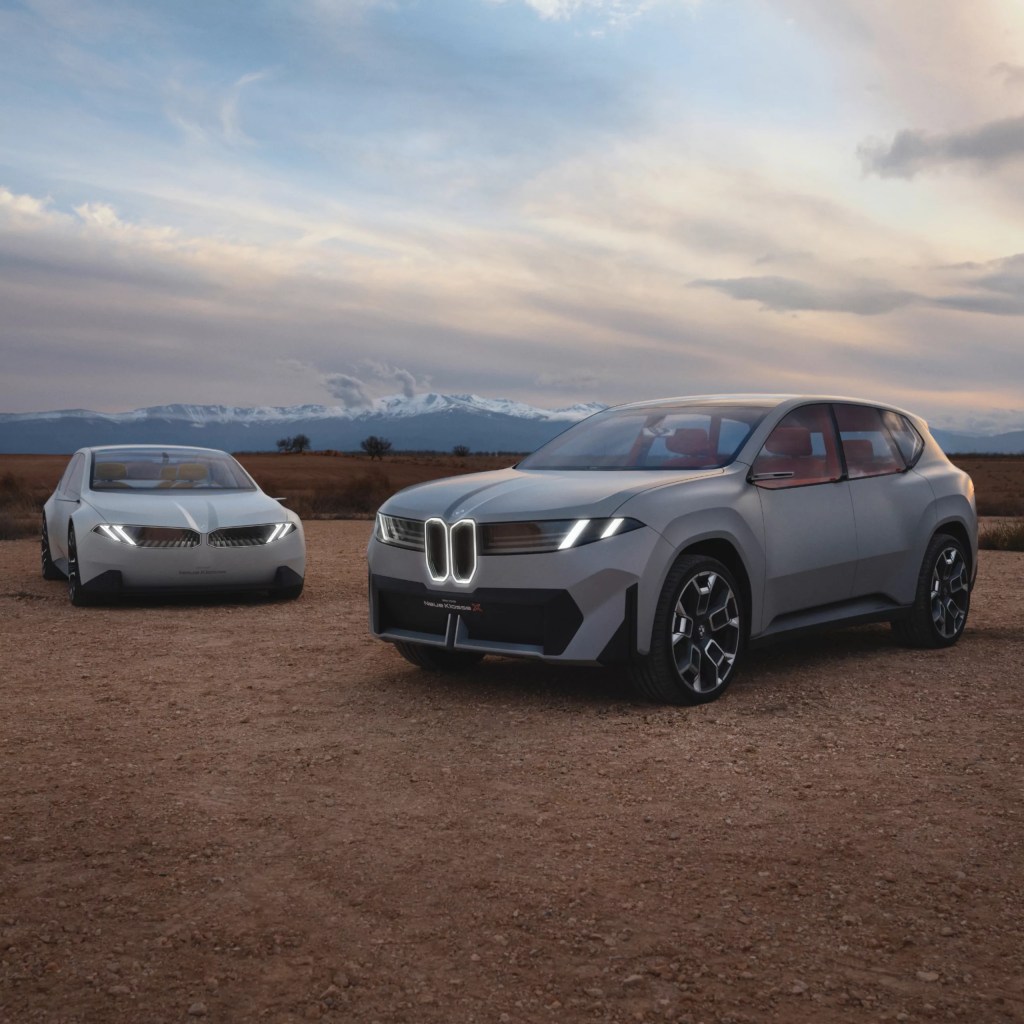
BMW is launching its new electric era with the iX3, branding the project as the “Future of BMW Electric Cars”.
The Neue Klasse platform introduces a redesigned iDrive operating system, improved efficiency, and a renewed focus on driver experience.
Porsche Macan EV
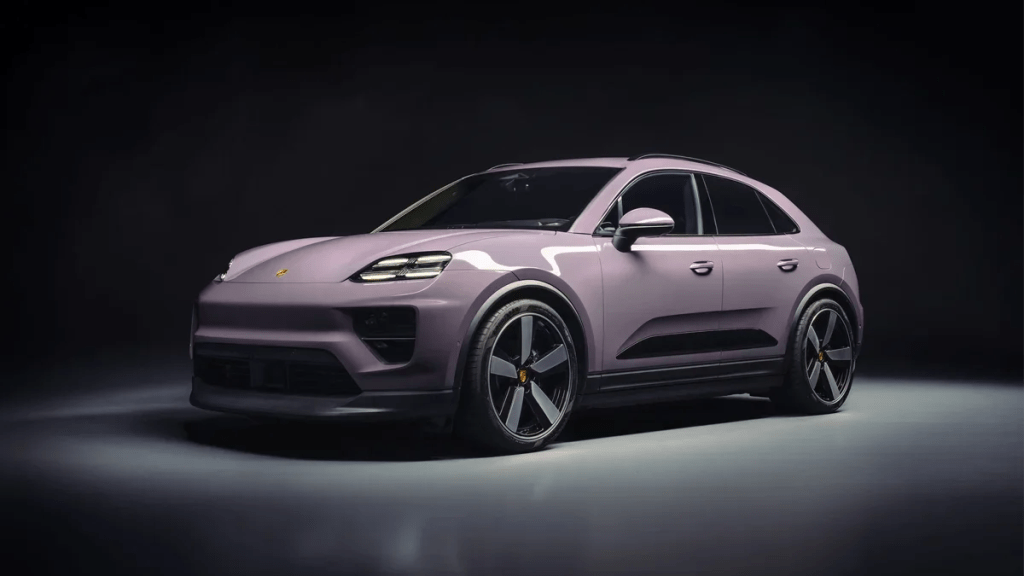
Porsche has taken its iconic Macan SUV fully electric without sacrificing performance. This new EV does not for one minute take away from the heritage that the brand has built, or it’s reputation for solid german cars. The brand’s commitment to driving feel, design, and heritage remains intact – just without the emissions.
Mercedes G WAgon EV
An electric version of the legendary G-Wagon, offering luxury, off-road capability, and bold design.
Mercedes has even introduced the “G Turn”, allowing the vehicle to rotate 360 degrees on the spot using its quad-motor setup.
Volkswagen ID.7
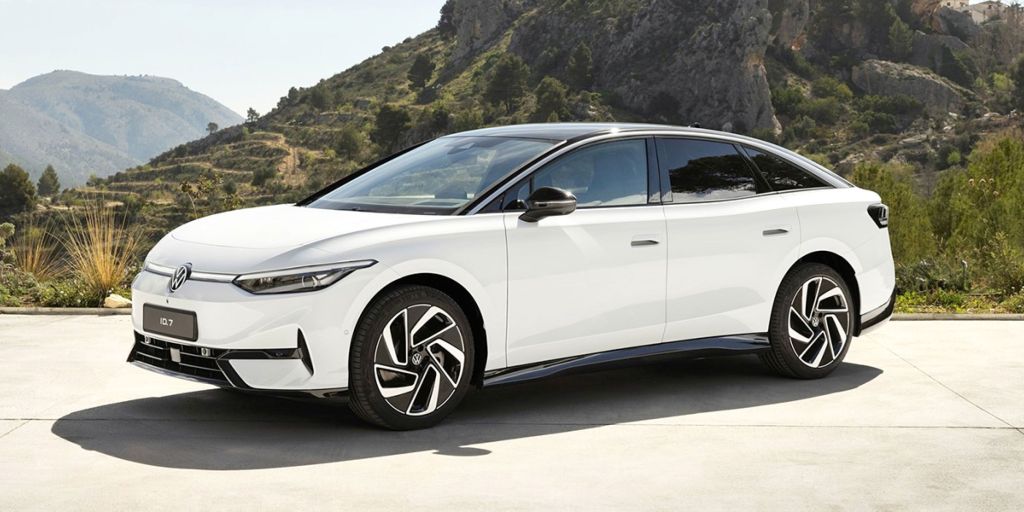
Volkswagen’s EV journey started with the quirky ID.3. Now, the ID.7 arrives as a refined electric saloon designed to replace the much-loved Passat. It offers improved comfort, longer range, and a more premium driving experience, while maintaining the sleek style synonymous with the passat.
Range Rover Electric
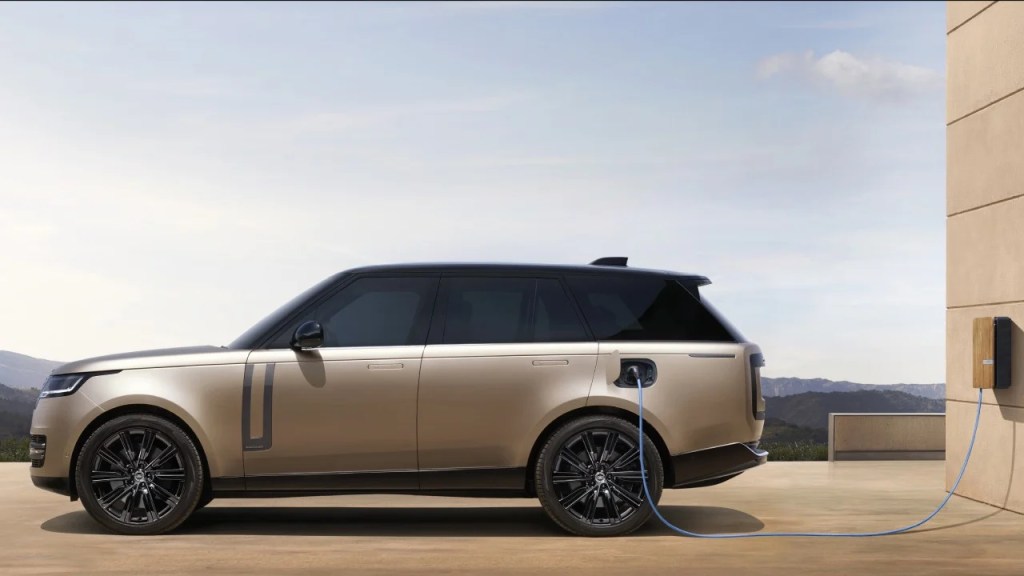
Range Rover’s first all-electric luxury SUV combines silent performance with dual-motor power.
With a 300-mile range and fast-charging capability, it marks a major step forward compared to older EVs like the Audi Q4.
Why Manufacturers Are Pushing This Shift
• Government EV targets
• Rising fuel costs
• Consumer demand for technology
• Lower long-term running costs
Electrification isn’t just a trend.
It’s a strategic reset.
But Here’s the Catch
New cars are more expensive than ever.
Average UK car prices have increased by over 25% since 2020. Technology is impressive – but only if it fits your budget.
That’s why value-focused brands like Dacia, Jaecoo, and Hyundai are becoming more attractive to everyday drivers.
The future is electric.
But your financial future still comes first.
 DRIVE DAILY
Leave a comment