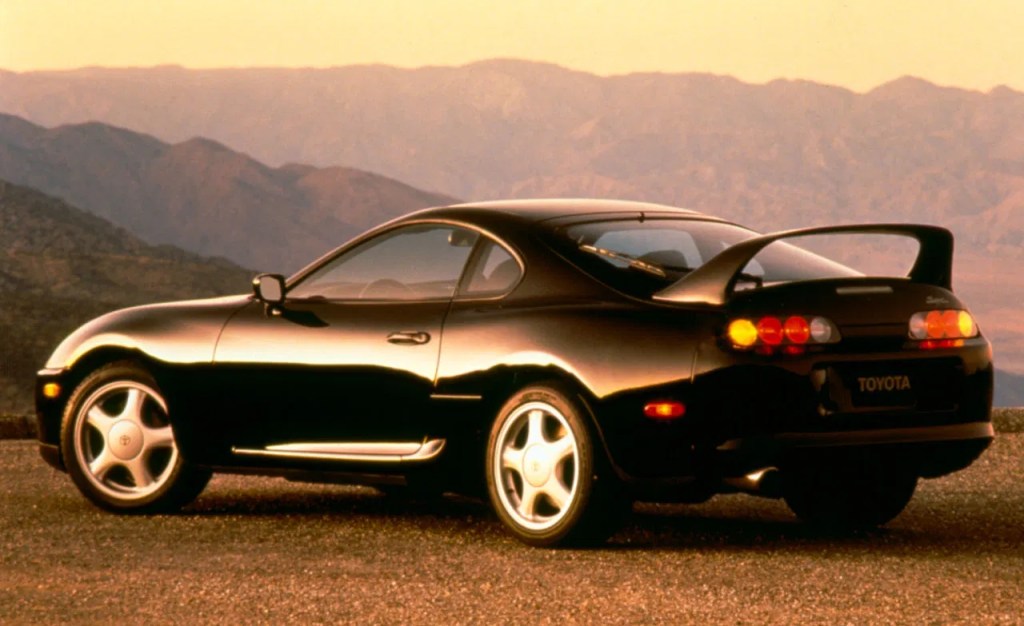
Cars don’t get discontinued by accident.
They disappear because the world around them changes.
By 2026, a wave of familiar models will be gone from UK and European roads, not because people stopped loving them, but because the rules, economics, and direction of the industry have shifted.
In 2015, petrol and diesel vehicles dominated UK new car sales.
By 2024, electric and hybrid cars were already pushing toward a quarter of all new registrations, with petrol’s dominance fading fast.
That shift isn’t just about emissions.
It’s also about money, manufacturing, and modern priorities.
The Pattern Behind Discontinued Cars
When a model gets axed, it’s rarely because of poor sales alone.
It’s usually a mix of:
• Rising compliance costs
• Platform changes (EV architectures)
• Profit margins
• Shifting buyer behaviour
• Brand identity resets
Manufacturers eventually ask:
“Does this car still fit our future?”
For the cars below, the answer was a sad no.
The Models That Symbolise the Shift
The Models That Symbolise the Shift
Ford Fiesta
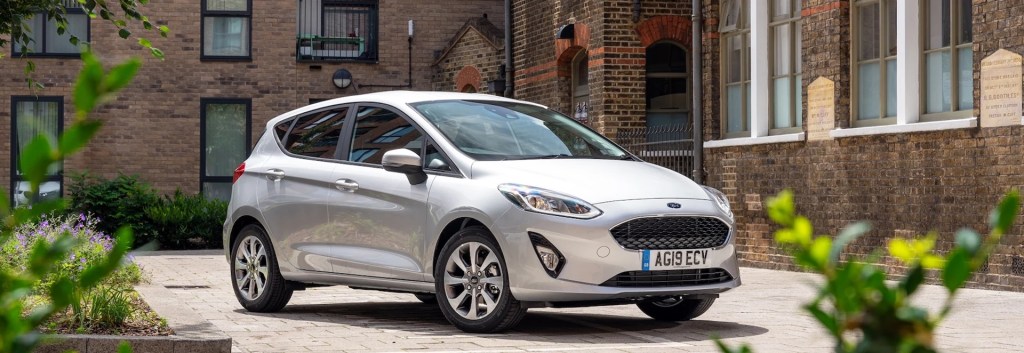
Once the UK’s best-selling car for over a decade.
Cheap, cheerful, and everywhere.
While we’re not saying goodbye to the fiesta forever (an electric version is likely), this marks the end of a supermini era that dominated British roads.
Small cars = lower profit and SUVs = higher margins
Makes sense.
Audi TT
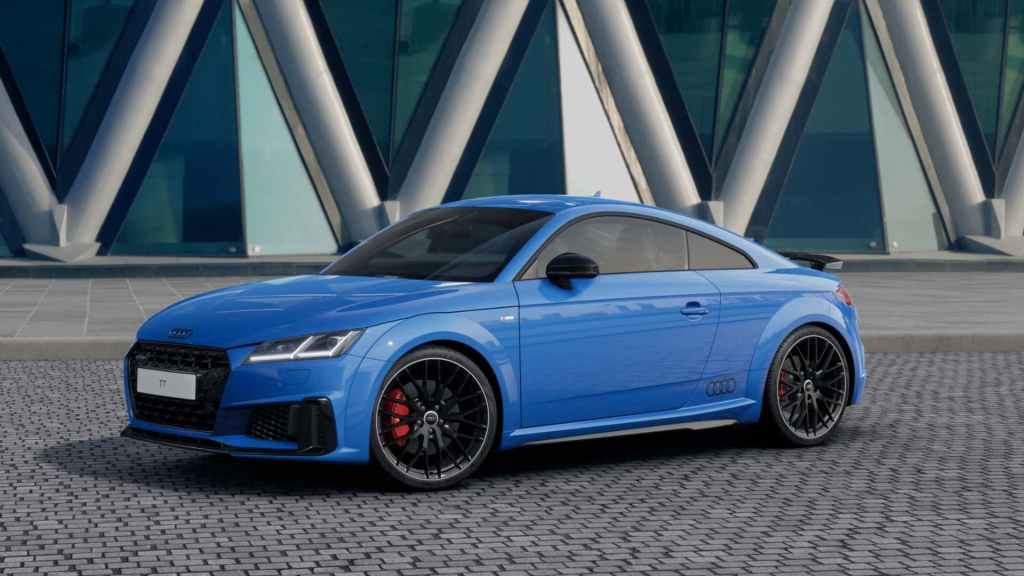
The TT was never just transport.
It was a design statement.
But Audi has shifted its performance image toward electric concepts and high-end EVs. In a world focused on sustainability and digital cockpits, a petrol-powered coupe no longer fits the brand narrative.
Even cult classics can fall victim to changing priorities.
Nissan GT-R (R35)
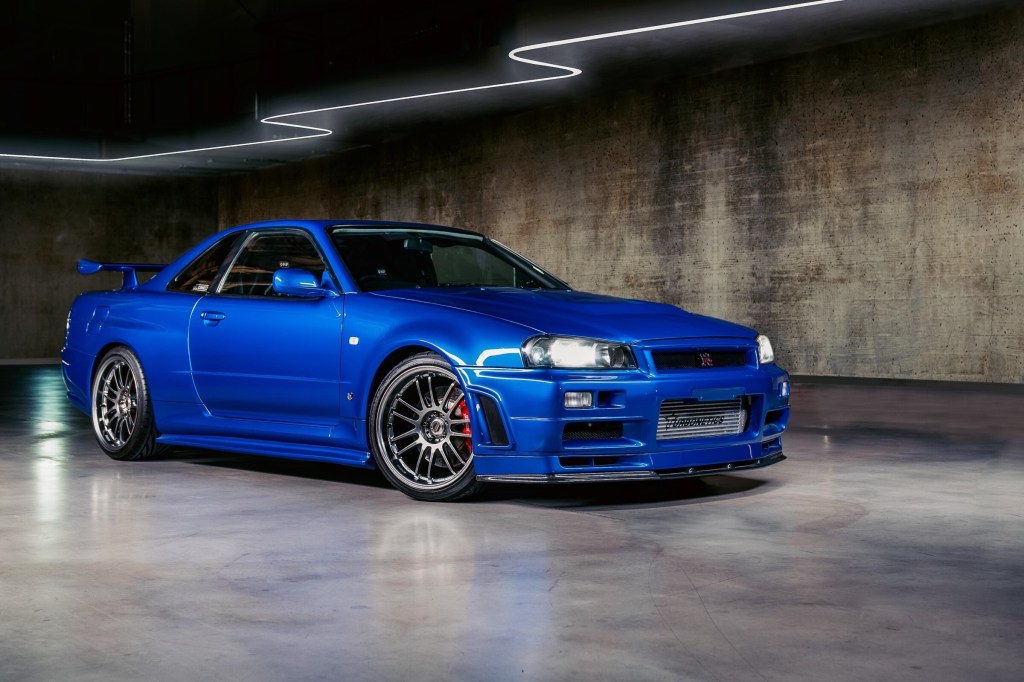
The “everyday supercar.”
A legend built on engineering, not luxury.
Fast & Furious fans know the cultural weight this car carries. But low-volume performance cars struggle in a market obsessed with efficiency and electrification.
The GT-R didn’t fail, it’s just that The market has moved on.
Jaguar XE / XF
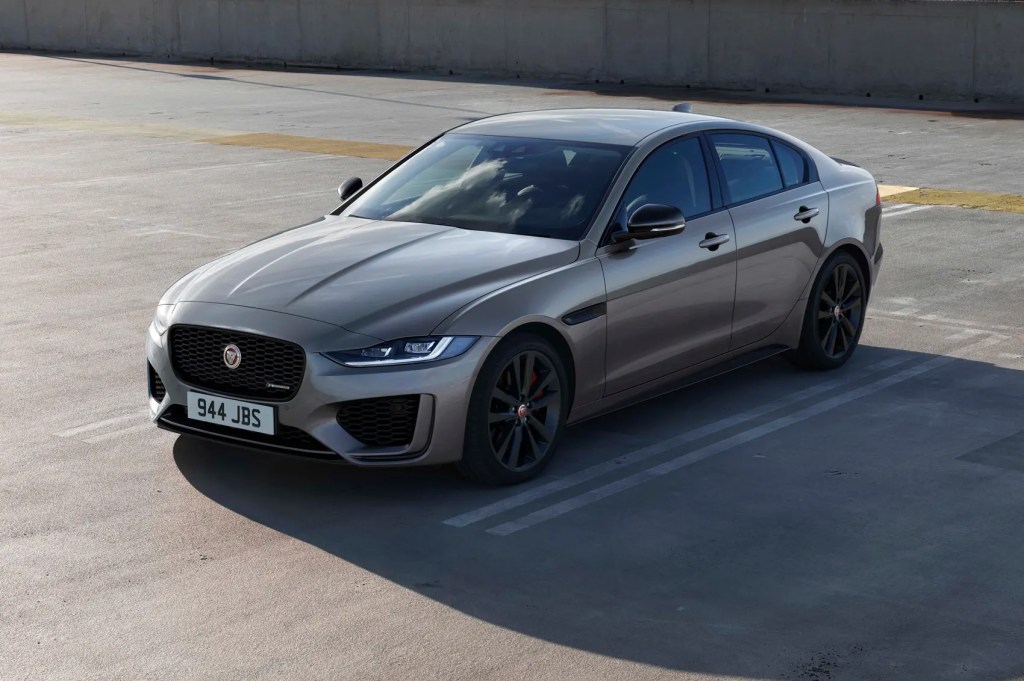
Jaguar is rebranding itself as a luxury electric marque.
Traditional petrol saloons no longer fit that future vision.
In November 2024, Jaguar even halted sales of all new cars in the UK to focus on its electric reboot.
Ford Mondeo
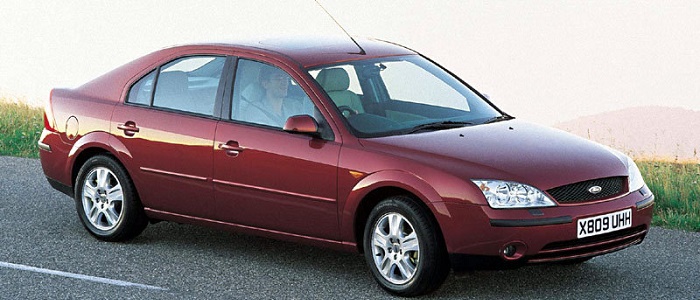
Once a family favourite.
Now quietly phased out.
SUVs replaced saloons as the preferred family car. With demand shifting, it stopped making sense for Ford to keep investing in Mondeo production.
Practical. Reliable. Gone.
Because practicality now wears a taller body shape.
BMW i3
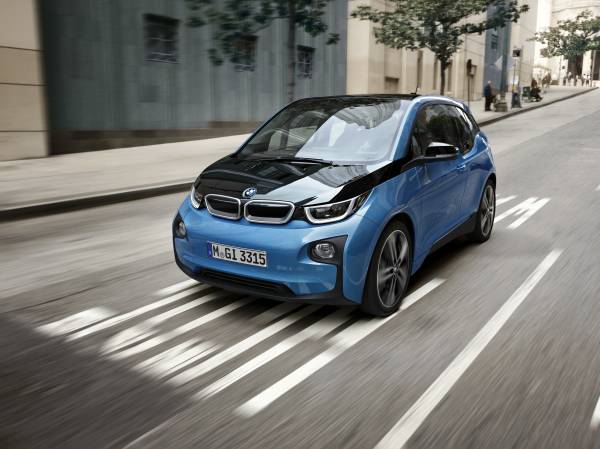
An early EV pioneer.
Discontinued not because EVs failed, but because EV design evolved beyond quirky city cars. The EV movement proved it wasn’t a fad, giving manufacturers confidence to invest in more mainstream electric models.
The future of EVs became normal, not experimental.
The Deeper “Why” Behind the Mass Exits
1. Electrification Reshaped Engineering
EVs need different platforms. Legacy petrol designs often don’t translate efficiently, so brands now build from the ground up.
2. SUV Psychology
People feel safer sitting higher.
Crash data doesn’t always justify it, but perception sells.
3. Digital Expectations
Modern drivers expect:
• Big screens
• Seamless tech
• Assisted driving
• Connectivity
Older models weren’t built for this level of integration.
4. Global Market Alignment
Cars now need to work in:
Europe
Asia
The US
If a model doesn’t appeal globally, it becomes expensive to justify.
5. Brand Repositioning
Manufacturers now sell identity, not just cars:
Electric = progressive
SUV = premium
Minimalist = modern
Some classic models simply don’t fit the new image.
The Big Takeaway
Discontinued cars aren’t failures, They’re actually time capsules. They show us where we came from, what we valued, and how fast the world moves.
The car industry doesn’t just reflect technology.
It reflects human priorities.
Some cars vanish quietly while Others leave echoes. Either way, the road always moves forward.
Which discontinued model do you think deserved better?
And which one had its time?
 DRIVE DAILY
Leave a comment