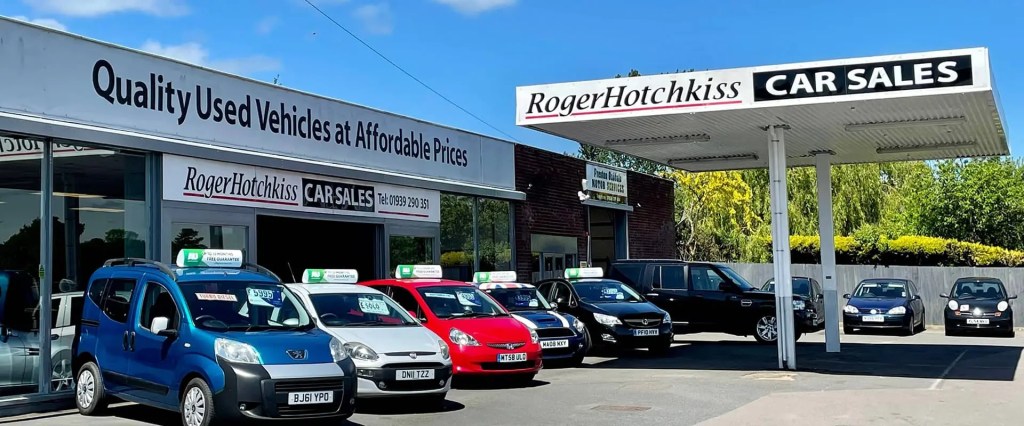
Car prices didn’t just “go up”. Our entire lives changed after the infamous Covid19 incident where the entire world shut down. Naturally, it shifted the entire market.
Between 2020 and 2023, average used car prices in the UK rose by over 30%, driven by supply shortages, factory shutdowns, and consequential waiting lists for new cars. Some models jumped even higher, especially small hatchbacks and reliable family cars.
For the first time in decades, people were paying more for used cars than they would have paid new. This market distortion changed the market forever.
What caused the price surge?

1) Semiconductor shortages
Modern cars rely on hundreds of chips. When production stalled, new car supply collapsed.
2) New car waiting lists
Some UK buyers were waiting 6–12 months for factory orders, pushing them into the used market.
3) Post-pandemic demand
People wanted mobility again. Public transport felt less appealing.
4) Finance culture
Monthly payments made higher prices feel manageable, even when total costs increased.
Are prices falling now?
Yes, but not evenly.
According to UK used-car market data, prices have softened since late 2023, especially for:
• high-mileage cars
• older diesel models
• less desirable specs
• EVs with limited range
The real question: Is this a bubble?
A bubble usually means:
• Prices detached from fundamentals
• Speculative buying
• Sharp corrections
The UK car market doesn’t fully match that pattern.
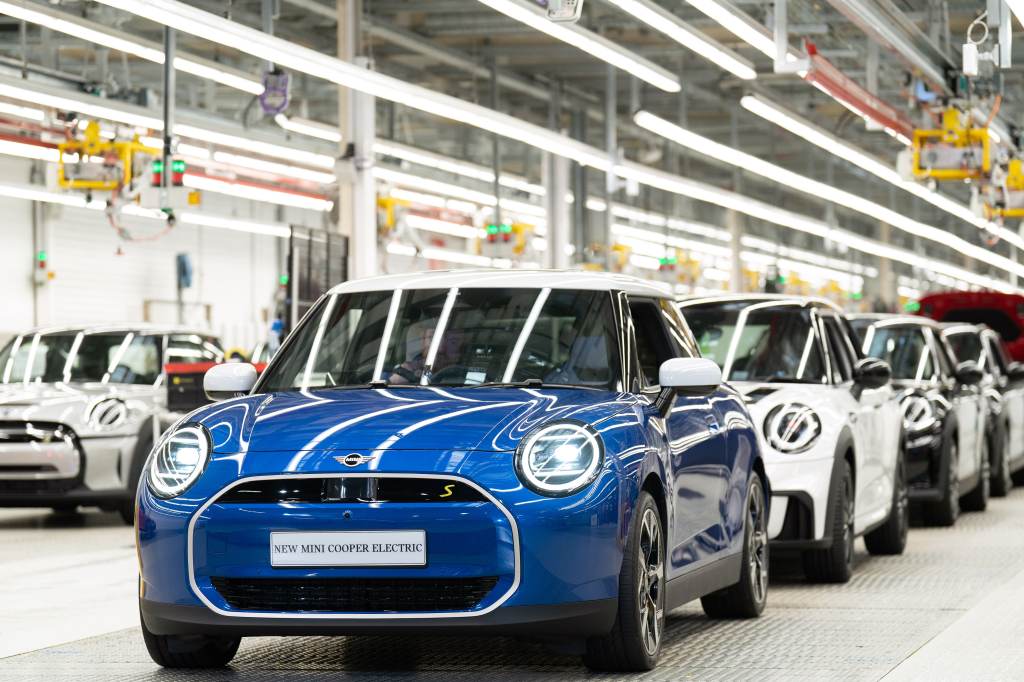
What we’re seeing is closer to a reset:
Prices inflated due to supply shocks, and now they’re slowly re-aligning with real demand.
But here’s the cultural twist:
People have accepted higher prices.
Once your brain adjusts to £350–£450 monthly payments feeling “normal,” the market changes permanently.
What this tells us about modern car ownership
Cars are no longer just assets or tools.
They’re lifestyle products sold through finance psychology.
Manufacturers and dealers now focus less on list price and more on:
• monthly affordability
• contract flexibility
• perceived value
This makes price inflation feel softer – even when the total cost is higher.
Bigger picture
We’re not in a dramatic bubble, we’re in a new pricing era.
Higher baseline prices along with longer finance terms and more focus on monthly figures than ownership value.
The market didn’t break, it just evolved.
 DRIVE DAILY
Leave a comment